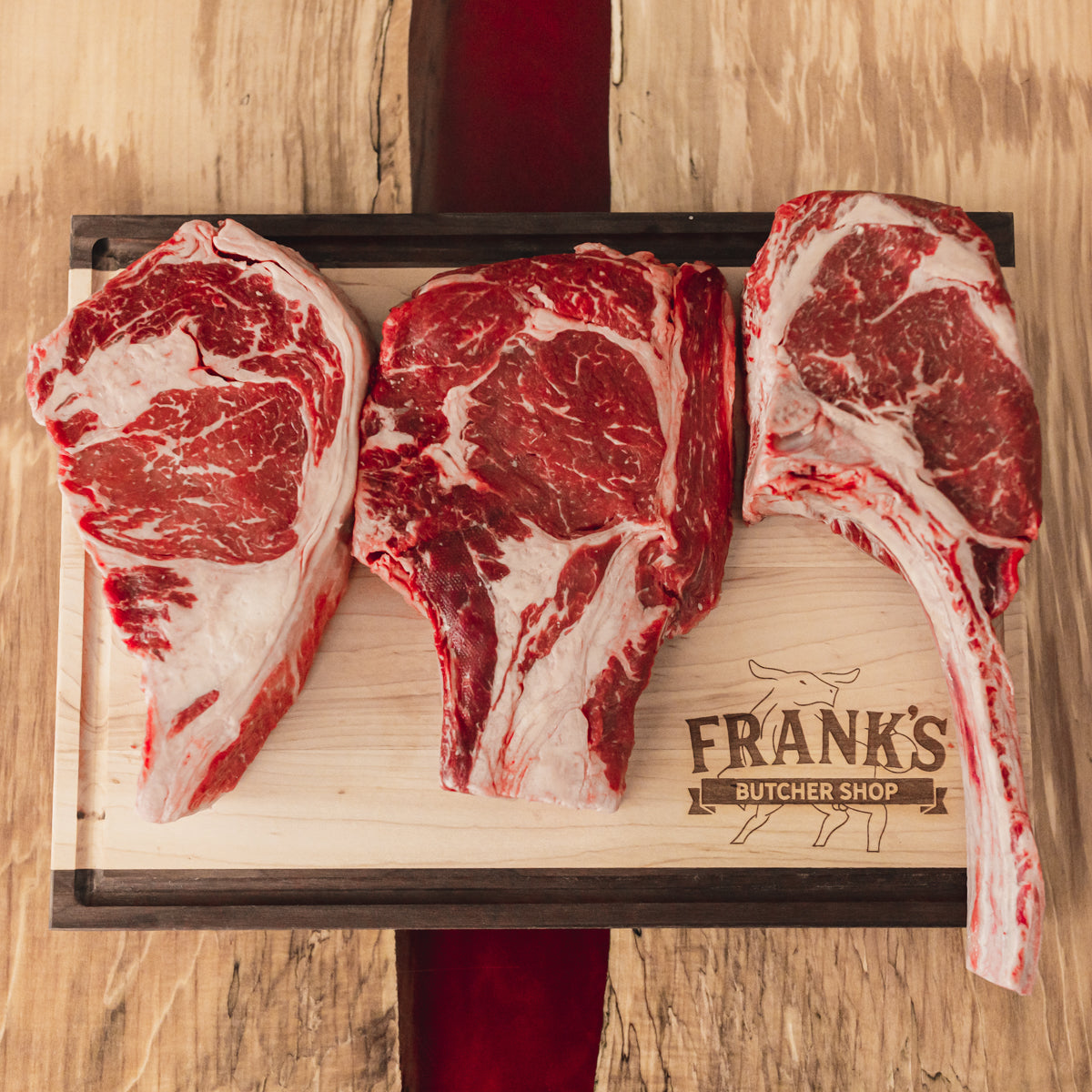


A perfectly seared NY Strip Steak does not happen by chance, it is the result of selecting the one with the balance of marbling, proper thickness, and the right grade of beef.
But what actually makes one strip steak better than another? And how can you spot the right one even if you’re not an expert?
This guide breaks it down in the simplest way possible so you can choose a steak that cooks beautifully every single time.
What Makes the NY Strip Steak Special?
The NY Strip, also called beef loin NY strip steak, comes from the short loin section, home to some of the most tender and flavorful cuts. It’s known for its fine grain, moderate marbling, and firm bite.
But what truly separates this steak from others, such as Beef Rib Eye Steak or Filet Mignon, is its distinct combination of tenderness and beefy richness. It offers just enough marbling for juiciness without the fat content found in a bone in ribeye steak.
Quick comparison:
|
Cut |
Texture |
Flavor |
Best For |
|
NY Strip |
Firm, juicy |
Beefy, balanced |
Grilling, pan-sear |
|
Ribeye |
Very tender |
Fat-rich, buttery |
Cast iron sear |
|
Filet Mignon |
Buttery soft |
Mild |
Fine dining, quick sear |
|
Flat Iron Steak |
Moderately tender |
Deep |
Quick grilling |
Step 1: Understand Marbling: Your Flavor Map
Marbling refers to the thin white veins of fat running through the red muscle. When cooked, this fat melts slowly, infusing flavor and moisture.
• Fine, even marbling = consistent tenderness.
• Heavy marbling (like in a ribeye) = richer taste but softer chew.
• Light marbling = leaner, ideal for those who prefer less fat.
For an ultra‑tender, buttery option, consider center cut beef tenderloin or beef filet mignon, both deliver delicate flavor with minimal fat.
Step 2: Choose the Right Thickness
The most balanced steaks are 1.25-1.5 inches thick. Thicker cuts allow a perfect crust without overcooking the inside.
A thin steak cooks quickly but sacrifices the deep sear that gives restaurant‑style results.
• Go thick if you enjoy slow searing or reverse‑sear grilling.
• Choose medium thickness (1 inch) for everyday pan‑searing.
Step 3: Grades and Sourcing: Why Quality Matters?
Not every “premium” label means the same thing. In the U.S., beef is graded by the USDA:
1. Prime: abundant marbling, top flavor (often found in upscale steakhouses)
2. Choice: high quality, slightly less marbling (common in good butcher shops)
3. Select: leaner, less juicy
Steaks from naturally raised cattle, such as Wyoming Pure Beef, offer consistent texture and rich taste due to better feeding and handling practices.
Step 4: How to Pick Between Bone‑In and Boneless NY Strip Steak?

Bone‑in NY Strip Steak retains more moisture and develops a deeper flavor during cooking, while boneless NY Strip Steak offers easier carving and quicker grilling. Neither option is wrong, it depends on preference and cooking method.
• Choose bone‑in for slow roasting or grill evenings where presentation matters.
• Go boneless when preparing multiple servings efficiently or opting for sous vide cooking.
Step 5: Cooking Brings It All Together
Once you’ve selected your cut, technique defines the final result.
To enhance flavor and texture:
1. Bring your steak to room temperature before cooking.
2. Season generously with kosher salt, try dry brining (read more about it here in our guide) for deeper flavor absorption.
3. Preheat your pan or grill until sizzling hot.
4. Sear both sides 2-3 minutes each for that golden crust.
5. Let it rest at least 5 minutes before slicing.
Steaks for Every Style: A Comparison Guide
|
Situation |
Recommended Cut |
Why It Works |
|
Elegant dinner |
Filet Mignon Beef Cut |
Supremely tender and elegant presentation |
|
Backyard BBQ |
Tomahawk Ribeye Steak |
Dramatic bone‑in look, intense flavor |
|
Meal prep |
Ground Beef Patties |
Easy to portion and cook |
|
Gourmet weekend |
Prime Rib Roast |
Ideal centerpiece for slow roasting |
|
Everyday dinner |
Boneless NY Strip Steak |
Flavorful, quick to cook, satisfying |
Each cut offers distinct experiences, and learning to differentiate them empowers better cooking choices.
Step 6: Storage & Handling
• Store uncooked steak in the coldest refrigerator section (34‑36°F).
• Freeze using vacuum sealing to retain moisture.
• For cooked leftovers, refrigerate within 2 hours in airtight containers.
Before reheating, allow the meat to reach room temperature to preserve texture, an often‑missed step that keeps the fibers juicy rather than stringy.
Common Buying Mistakes to Avoid

1. Choosing color over marbling: Bright red doesn’t equal quality; look for balanced fat streaks.
2. Skipping grade labels: Ask about sourcing and grading before purchase.
3. Ignoring thickness: Thin cuts overcook easily and lose flavor.
4. Buying frozen grocery steak: Always prefer freshly packed local or delivered cuts.
5. Not resting before cooking: Cold meat toughens as it hits high heat.
Avoiding these ensures tender, beautifully flavored results with every bite.
Best Cooking Techniques for NY Strip
→ Grilling: High direct heat builds a crisp crust. Ideal for boneless cuts.
→ Pan‑searing: Cast iron pans caramelize the exterior. Perfect for thick cuts.
→ Oven + Sear Method: Reverse‑sear thick beef tenderloin center cut steaks for even doneness.
Quick Buying Checklist
Best NY Strip Steak Buying Tips:
• Choose even marbling and firm texture.
• Ideal thickness: 1.25–1.5 inches.
• Opt for USDA Choice or Prime.
• Check if grass‑fed or grain‑finished suits your taste.
• Prefer trusted sources for freshness.
FAQ:
Q: Which is better: NY strip or ribeye?
A: Both are excellent. Ribeye offers more fat and buttery richness; the NY Strip Steak delivers balanced tenderness and stronger beef flavor.
Q: What’s the best way to cook a strip steak?
A: Sear over high heat 2-3 minutes per side, then rest 5 minutes. For thick cuts, finish in the oven or use reverse‑sear.
Q: How do I get steakhouse‑level flavor at home?
A: Start with Prime‑grade beef, season in advance, let marinate or dry‑brine, and finish with butter basting.
Final Thoughts
The art of choosing the perfect NY Strip Steak comes down to understanding marbling, thickness, and grade, the three details that transform a home‑cooked steak into a restaurant‑quality bite
Every great dish starts with a carefully chosen cut.
Next time you plan a gourmet night or backyard grill, browse curated selections like the at Frank’s Butcher Shop.
A truly great steak isn’t just cooked. It's chosen wisely.