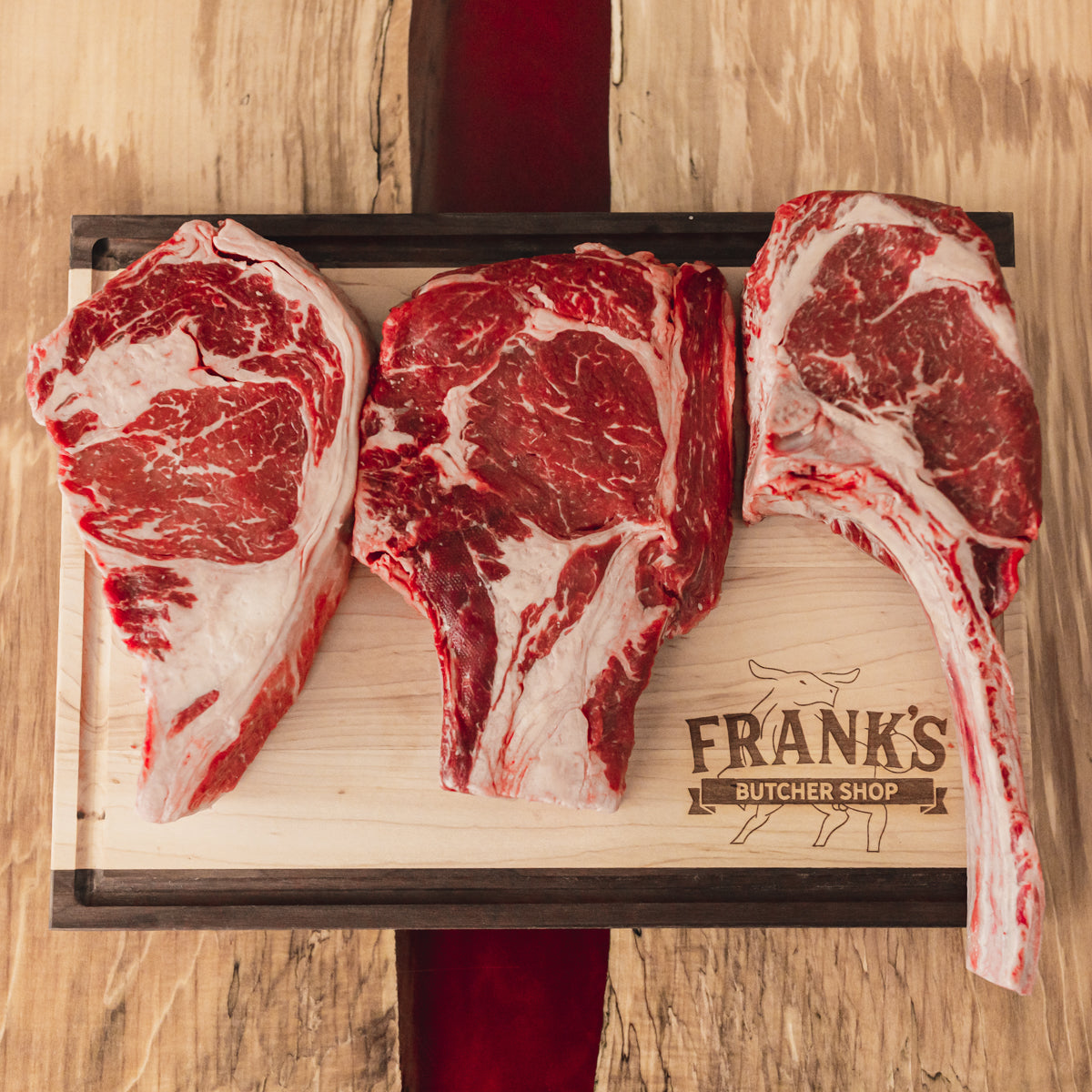


Steak can look beautiful from outside and still be too raw or dry from inside. Doneness is where texture, juiciness, and flavor all meet.
Cutting it open feels like the only way to check the inside, but doing so releases the juices, affects flavor, and ruins the sear you worked hard to build.
This guide explains clear, practical ways to check doneness without slicing into the meat, so juices stay locked in and every plate looks as good as it tastes.
The Core Tools: Heat, Time, and Touch
You do not need fancy gadgets to cook great steak, but you do need to understand how heat changes meat. As steak cooks, proteins tighten, juices move toward the center, and the surface becomes firmer.
Three things help you track that change:
• Internal temperature ranges for each doneness.
• Touch and firmness at the surface.
• Visual cues like color, juices, and crust.
Even if you occasionally confirm with a thermometer, building these senses lets you cook confidently without cutting into the steak and losing moisture.
Steak Doneness Levels at a Glance
Here is a simple reference for common doneness stages.
|
Doneness |
Internal temp (approx.) |
Look & feel |
|
Rare |
120–125°F |
Very soft, deep red center |
|
Medium‑rare |
130–135°F |
Soft–springy, warm pink center |
|
Medium |
140–145°F |
Springy–firm, light pink center |
|
Medium‑well |
150–155°F |
Firm, faint blush in center |
|
Well‑done |
160°F+ |
Very firm, brown/gray throughout |
Aim for medium‑rare to medium for most high-quality beef cuts to enjoy both flavor and tenderness.
How to Use the Touch Test (Hand Method)
The touch test compares how the steak feels under your fingertip to how the base of your thumb feels as you move your fingers.
Basic hand guide:
• Relaxed open hand: very soft, like raw to rare.
• Index finger to thumb: soft‑springy, similar to medium‑rare.
• Middle finger to thumb: more resistance, like medium.
• Ring finger to thumb: firm, similar to medium‑well.
• Pinky to thumb: very firm, like well‑done steak.
To use it:
1. Press the steak gently in the thickest part with a fingertip.
2. Compare that feel to the pad of your thumb in each hand position.
3. Stop cooking when it matches the firmness you prefer.
Practice with a thermometer a few times until your sense of touch lines up with the internal temperatures you like.
Visual Cues: Color, Crust, and Juices

You never want to cut into the steak to check, but you can still gather a lot from the outside.
Key signs:
• Crust: A deep brown, even crust usually means the surface is well seared, not necessarily that the interior is done.
• Side color: Look at the side of the steak; a thin gray band with a strong pink center suggests medium‑rare, while a thicker gray band points toward medium‑well.
• Juices at the top: When clear juices start pooling on the surface, the steak is usually at medium or beyond.
For thicker cuts like bone in ribeye steak or beef tomahawk steak, cues appear more slowly, so patience and timing matter even more.
Timing Guidelines by Thickness
Cooking time depends on steak thickness, heat level, and whether you grill or pan‑sear.
For a 1‑inch steak over high direct heat:
• Rare: about 3-4 minutes per side.
• Medium‑rare: about 4-5 minutes per side.
• Medium: about 5-6 minutes per side.
For thicker steaks (1.5-2 inches), use a sear‑then‑finish method:
• Sear 2-3 minutes per side.
• Move to a cooler zone or oven until touch and timing suggest your target doneness.
Cuts like boneless ribeye, new york strip steak, beef loin ny strip steak respond especially well to this two‑stage approach.
Doneness Tips for Specific Steak Cuts
Each cut has its own ideal window where texture and flavor peak.
1. NY Strip and Ribeye
→ Aim for medium‑rare to medium to show off marbling.
→ Use steady high heat for a crisp crust and springy center.
→ The steak should feel soft‑springy, not stiff.
2. Filet, Tenderloin, and Delicate Cuts
→ These are naturally tender, so avoid pushing past medium.
→ The center should feel soft with a gentle spring, not rigid.
→ Because they are lean, they move from perfect to overcooked more quickly.
Wrapping in bacon wrapped filet mignon or using hickory smoked bacon around the edges adds a buffer and extra flavor while you track doneness by touch.
3. Flat Iron, Skirt, and Similar Cuts
→ Cook hot and fast, using timing and touch closely.
→ Best at medium-rare: soft-springy feel with quick color change on edges.
→ Pull early as residual heat finishes thin cuts perfectly.
When deciding between cuts for grilling, these cues help you pick and cook the right one without guesswork.
4. Sirloin Roasts and Specialty Cuts
→ Thicker pieces need oven finishing after searing.
→ Press for medium firmness with some give in the center.
→ Rest longer (15-20 minutes) before final checks.
5. Ground Beef, Jerky, and Other Products

→ Cook to 160°F internally for safety, no touch test needed.
Quick Doneness Checklist
• Touch: Soft = rare; springy = medium-rare; firm = well.
• Time: 4-5 min/side for 1" medium-rare.
• Visuals: Pink side band = medium-rare; clear juices = medium+.
• Rest: 5-10 min before slicing.
FAQ: People Also Ask
Q: How can I tell if steak is medium‑rare by touch?
A: A medium‑rare steak feels soft with a gentle spring when pressed, similar to the pad of your thumb when your index finger and thumb touch together.
Q: Should I rely only on color to judge doneness?
A: No. Color can be affected by lighting, meat type, and resting; combining color with touch and timing is far more reliable, especially for thicker cuts and roasts.
Q: What is the best doneness for premium steaks?
A: Medium‑rare to medium usually highlights marbling and texture best in high-quality beef cuts such as ny strip steak, beef rib eye steak, beef filet mignon, and beef florentine.
Bringing Doneness, Slicing, and Cut Choice Together
Perfect steak is not just about one step. Doneness, slicing, and cut choice work together.
Reading doneness by touch and timing keeps juices inside; cutting against the grain keeps every slice tender; choosing the right cut for your cooking method sets the foundation for success.
The skills in this guide help you serve meat that looks as good on the plate as it tastes on the first bite.
For a wide range of steaks, roasts, and Wyoming‑raised options explore the full selection at Frank’s Butcher Shop.
Choosing quality beef and treating it with care is the simplest way to build trust with every meal you serve.
Your table deserves steaks cooked just right; try it tonight.