
Grilling season has a way of raising simple but important questions. One of the most common is whether flat iron steak or sirloin is the better choice for the grill.
Both are popular, and both can deliver excellent results, but they shine in different ways.
In this guide you’ll get to know how each cut behaves over high heat, how sourcing and preparation affect results, and which option fits your cooking style and expectations.
Everything here is rooted in real butchery logic and practical grilling experience, so you can make confident decisions every time you fire up the grill.
Understanding Steak Quality Before You Grill
Before comparing cuts, let's understand what defines high-quality beef cuts in the first place. Texture, flavor, and juiciness don’t happen by accident. They’re the result of muscle structure, fat distribution, aging, and handling.
Beef that’s responsibly raised and properly processed like the Wyoming pure beef sourced starts with an advantage. Controlled finishing, optimal age, and dry aging all contribute to steaks that respond predictably on the grill.
If you want a deeper breakdown of how sourcing and aging influence steak performance, you can find helpful insights on one of our guide that explains these fundamentals in detail.
What Is Flat Iron Steak?
Cut origin and structure
Beef Flat Iron Steak comes from the shoulder (chuck), but it’s unique. Skilled butchery removes the connective tissue that normally makes chuck tough, leaving a flat, evenly thick steak that grills exceptionally well.
Flavor and texture
→ Rich, beef-forward flavor
→ Naturally tender when cooked correctly
→ Excellent surface area for crust development
When prepared properly, a grilled flat iron steak delivers steakhouse-level results with minimal effort, making it a favorite among butchers and experienced grillers alike.
Best grilling approach
• High heat, short cook time
• Medium-rare to medium for best texture
• Rest before slicing against the grain
Many consider it the best flat iron steak option for backyard grilling because it balances flavor, tenderness, and value.
What Is Sirloin Steak?
Cut origin and variety
Sirloin comes from the rear of the animal and includes several muscles. This area produces leaner beef with a firmer bite and clean flavor profile.
Popular sirloin options include baseball cuts, bavette, and coulottes, each offering a slightly different grilling experience.
Flavor and texture
• Leaner than flat iron
• Mild, classic beef taste
• Benefits from precise cooking
Sirloin doesn’t rely on heavy marbling. Instead, it rewards attention to temperature and slicing technique.
Flat Iron vs Sirloin: Grill Performance Comparison
|
Feature |
Flat Iron |
Sirloin |
|
Tenderness |
High |
Medium |
|
Fat content |
Moderate |
Lean |
|
Flavor intensity |
Bold |
Clean |
|
Margin for error |
Forgiving |
Precise |
|
Best doneness |
Medium-rare |
Medium-rare |
Quick answer :
Which steak is better for grilling?
Flat iron is more forgiving and richer in flavor, while sirloin suits grillers who prefer lean beef and controlled cooking.
How These Cuts Compare to Other Popular Steaks?

Understanding flat iron and sirloin becomes easier when you compare them with familiar favorites.
→ Beef Rib Eye Steak and Boneless Ribeye offer more marbling but require careful flare-up management.
→ NY strip steak provides a firmer texture with balanced fat.
→ Beef Filet Mignon, including center cut beef tenderloin, prioritize tenderness over grill char.
Each cut serves a purpose, but flat iron and sirloin stand out for everyday grilling reliability.
Sourcing Matters More Than the Cut
Even the best cut underperforms if the beef isn’t raised and handled correctly. Frank’s focus on ranch-controlled sourcing ensures consistency across everything they produce from steaks to ground beef.
That same care applies to curated offerings like beef packages and the beef bundle, which give customers access to multiple cuts with the same quality standards.
Cooking Tips That Make the Difference
Flat iron grilling tips
• Oil lightly, season simply
• Grill hot and fast
• Rest 5-7 minutes before slicing
Sirloin grilling tips
• Bring to room temperature first
• Avoid overcooking
• Slice thinly against the grain
These small steps often matter more than the cut itself.
Where Flat Iron and Sirloin Fit in a Balanced Freezer

When building a freezer plan, variety matters.
→ Flat iron for quick, high-heat grilling
→ Sirloin for lean, classic steak nights
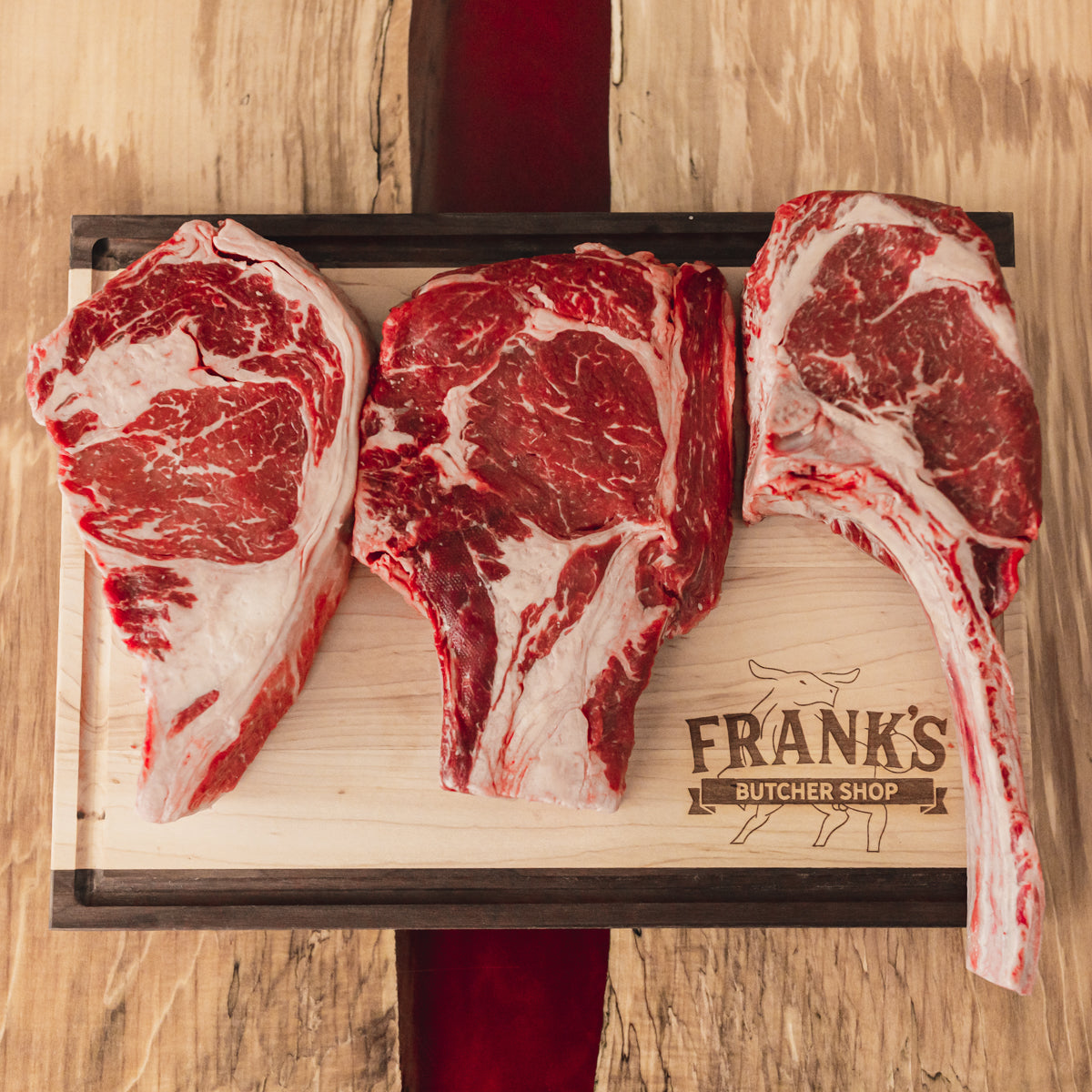
→ Rib cuts like bone in ribeye steak and tomahawk ribeye steak, for indulgent meals
This balanced approach keeps meals interesting while maximizing value.
FAQ: Flat Iron Steak vs Sirloin
Q: Is flat iron steak tender?
A: Yes. When trimmed correctly and cooked to medium-rare, it’s one of the most tender grilling cuts.
Q: Is sirloin good for grilling?
A: Absolutely, but it requires attention to temperature and slicing.
Q: Which has more flavor?
A: Flat iron generally delivers a richer, beefier taste due to its fat content.
Q: Which is healthier?
A: Sirloin is leaner and lower in fat, making it a popular choice for lighter meals.
Q: Does sourcing really matter?
A: Yes. Beef raised and processed with care performs better and tastes cleaner.
Which One Should You Choose?
Flat iron steak rewards bold heat and simple seasoning. Sirloin rewards precision and restraint. Neither is better in every situation, but both are excellent when matched with the right cooking style.
If you enjoy rich flavor and forgiving grilling, flat iron is hard to beat. If you prefer lean structure and classic steak texture, sirloin belongs on your grill.
Check out Frank’s Butcher Shop’s flat iron and sirloin selections to choose the cut that fits your table, your grill, and the way you like to cook.
The right steak isn’t about trends, it’s about understanding what works best for you.