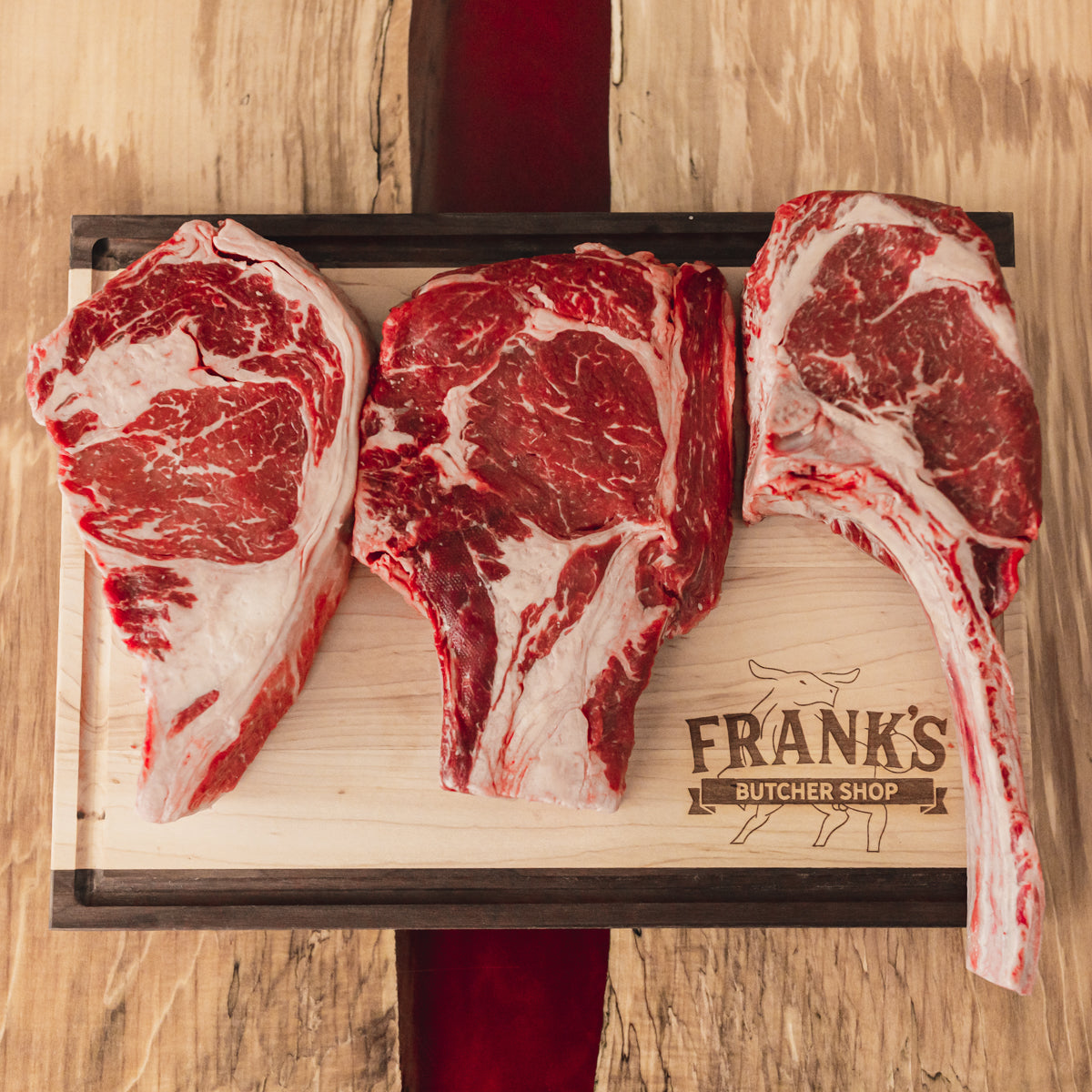


A restaurant steak dinner feels memorable for a reason. It isn’t just the steak; it’s the pacing, the aroma while it cooks, and the quiet confidence of knowing the food will turn out right.
Many people assume that experience requires a professional kitchen, but in reality it depends on preparation, cut selection, and a few careful details.
This guide will help you through building a steakhouse-style evening at home using real practical and simple cooking methods. When you understand how steak works, not just how to cook it, the entire meal becomes easier and more enjoyable.
Why Steak Night at Home Is Worth It
Restaurant steaks are expensive for three reasons:
→ premium meat sourcing
→ precise cooking technique
→ |atmosphere and presentation
You can recreate two of those perfectly at home. The third, atmosphere is actually easier because you control the pace, seasoning, sides, and doneness.
More importantly, home cooking lets you choose high-quality beef cuts rather than whatever the restaurant’s supplier sends that week.
Step 1: Choose the Right Steak Cut (Most Important Decision)
A restaurant-style dinner begins long before the pan heats up. The quality of the beef determines tenderness, juiciness, and even how forgiving the cooking process will be.
Beef raised and processed with consistency, such as carefully sourced wyoming pure beef, cooks predictably because the marbling and moisture levels are balanced.
That’s why butchers emphasize sourcing and aging just as much as seasoning.
Quick Guide to Popular Steak Cuts
|
Cut |
Flavor |
Tenderness |
Best Cooking Method |
|
Beef Rib Eye Steak |
Very rich |
Very tender |
Pan sear + butter baste |
|
NY strip steak |
Balanced |
Medium tender |
Grill or cast iron |
|
Beef Filet Mignon |
Mild |
Extremely tender |
High-heat sear + oven |
|
Beef Flat Iron Steak |
Beefy |
Tender |
Quick sear |
Step 2: Proper Steak Preparation (The Secret Chefs Won’t Skip)
1 Hour Before Cooking
• Remove steak from refrigerator
• Pat dry with paper towel
• Salt generously
This step is called dry brining.
Salt begins dissolving protein structures, allowing moisture retention and deeper flavor. That’s why restaurant steaks taste seasoned throughout, not just on the surface.
Quick Answer
Why salt steak early?
Salting 40-60 minutes before cooking pulls moisture out first, then reabsorbs it with dissolved salt, seasoning the meat internally and improving crust formation.
Step 3: Seasoning: Keep It Simple
You only need:
• Kosher salt
• Cracked black pepper
• Optional garlic and butter
Step 4: Cooking Method (Restaurant Technique at Home)

The Cast Iron Pan Method (Most Reliable)
This is how many steakhouses cook.
You need:
• Heavy pan
• High heat oil
• Butter
• Thyme or garlic
Exact Process:
1. Preheat pan 5 minutes
2. Add neutral oil
3. Lay steak away from you
4. Do not move for 2 minutes
5. Flip once
6. Add butter
7. Baste continuously
This works perfectly for a filet mignon beef cut because butter basting adds richness to lean meat.
Step 5: The Most Common Mistake
People cut steak immediately after cooking.
Don’t.
During cooking, juices move to the center. Cutting releases them onto the plate. Resting 7-10 minutes redistributes juices and keeps the steak tender.
Step 6: Build the Full Steakhouse Plate
A restaurant dinner is a combination of textures.
Ideal Plate Balance
• Rich steak
• Creamy side
• Fresh element
• Crunchy element
Best sides:
→ Mashed potatoes
→ Roasted vegetables
→ Simple salad
→ Sautéed mushrooms
Add hickory smoked bacon pieces into potatoes for a steakhouse-style upgrade.
Step 7: Elevate Flavor Like a Chef
Compound Butter (Game Changer)
Mix:
• Butter
• Garlic
• Parsley
• Lemon zest
Place on hot steak before serving.
This works exceptionally well with a bone in ny strip steak because bone marrow heat melts butter slowly.
Step 8: Hosting a Complete Steak Night Menu
Starter Ideas
• Simple bruschetta
• Charcuterie
• Light soup
Snacks While Cooking
A beef jerky variety pack works well because guests can snack while steaks rest without ruining appetite.
Serve a light portion of original beef jerky, protein-rich and not filling.
Step 9: Drinks Pairing
→ Best wine for ribeye: Cabernet Sauvignon
→ Best wine for filet: Pinot Noir
→ Best non-alcoholic drink: sparkling water with lemon
Fatty steaks like bone in ribeye steak need tannins to cleanse the palate.
What About Other Beef Options?

Not everyone wants a thick steak every time.
You can still host steak night using:
→ Burgers from ground beef
→ Sliders from fresh ground beef patties
→ Tacos using grass fed ground beef
For gatherings, a beef bundle or family beef packages make planning easier.
Bonus: Grill vs Pan - Which Is Better?
|
Method |
Pros |
Cons |
|
Grill |
smoky flavor |
harder temperature control |
|
Cast iron |
perfect crust |
less smoke flavor |
Quick Reference Cooking Table
|
Steak Type |
Pan Time Per Side |
Final Temp |
|
Ribeye |
3–4 min |
130°F |
|
Strip |
3 min |
130°F |
|
Filet |
2–3 min |
125–130°F |
|
Flat Iron |
3 min |
130°F |
FAQ’s
Q: How do restaurants make steak taste better?
A: They use high heat, dry surfaces, butter basting, and resting time.
Q: Do I need a grill for steak night?
A: No. A heavy pan produces equal or better crust.
Q: What steak is easiest for beginners?
A: Ribeye and flat iron are the most forgiving.
Q: Why does my steak turn gray instead of brown?
A: Moisture on the surface prevents proper searing.
Q: How long should steak rest?
A: 7-10 minutes for optimal juiciness.
Final Thoughts
A restaurant-style steak dinner at home is not about expensive tools or complicated recipes. It’s about choosing the right cut, respecting the cooking process, and slowing down enough to enjoy the experience.
When the beef is raised well, cut properly, and cooked with attention, the meal naturally feels special and that same idea guides the approach at Frank’s Butcher Shop, where we focus on offering high-quality cuts.
Take your time, and let the evening unfold around the table, that’s what makes steak night memorable.