
Steak quality is often judged at the butcher counter in seconds by color, thickness, or price. But what actually makes a steak high-quality is decided long before it reaches your plate.
It starts at the ranch, continues through how the animal is raised, how the beef is aged, how it’s cut, and how it’s handled right up to the moment you cook it.
A well-sourced, properly aged, expertly cut steak delivers tenderness, depth of flavor, and consistency that mass-produced meat simply can’t match.
This guide breaks down steak quality through cut, source, aging, and handling, so you know exactly what separates everyday beef from truly exceptional beef.
What Does “High-Quality Steak” Really Mean?
A high-quality steak delivers three things consistently:
• Flavor - Rich, beef-forward taste driven by marbling and aging
• Tenderness - Natural softness from proper muscle selection and aging
• Integrity - Clean sourcing, humane raising, and careful processing
Quality is not one feature, it’s the result of many decisions made correctly along the way.
1. The Cut: Where Quality Begins
Every steak starts with anatomy. Different muscles do different work, and that determines tenderness, marbling, and flavor concentration.
Cuts known for balance and depth
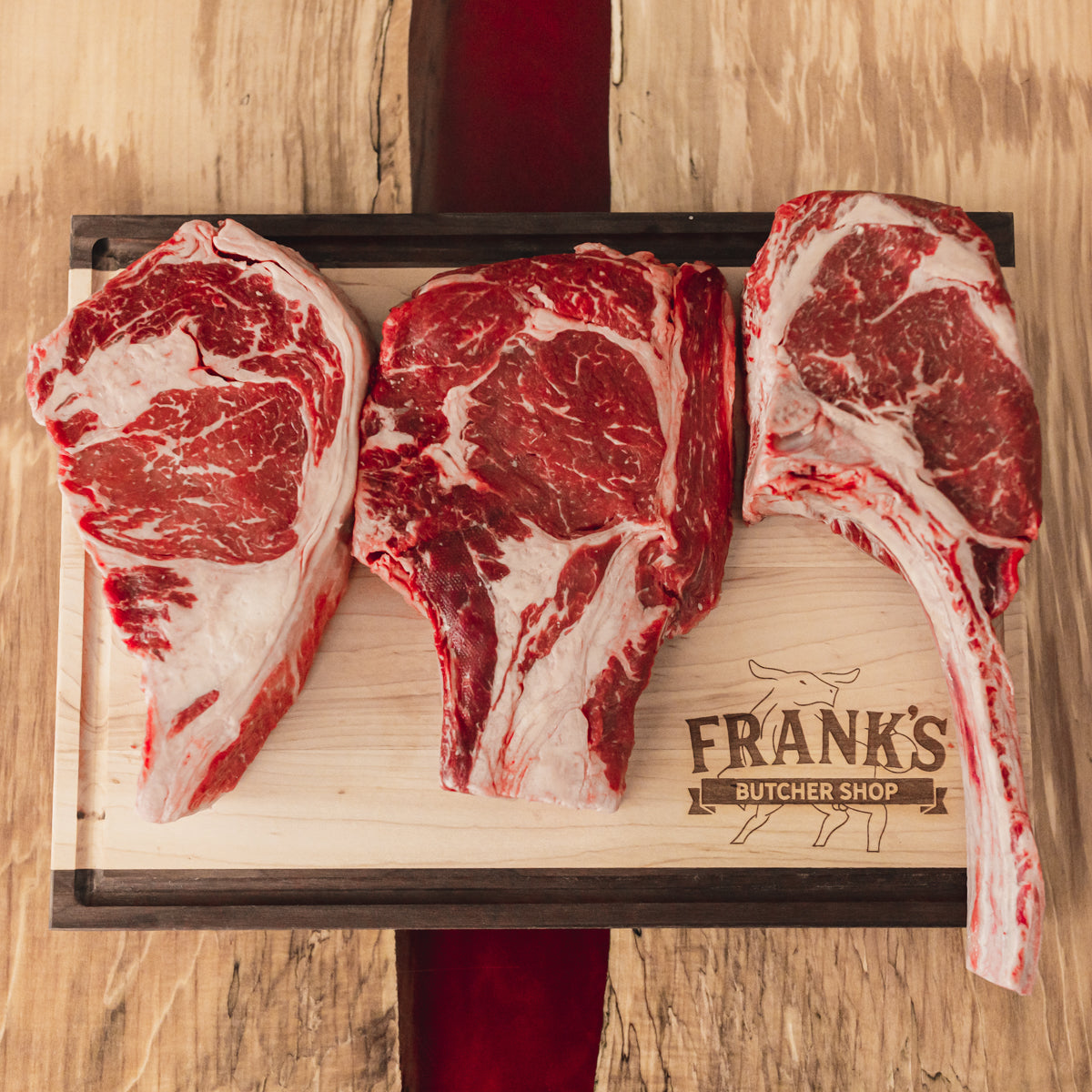
• Beef Rib Eye Steak delivers rich marbling and bold flavor because it comes from a well-used area that still retains fat.
• Boneless Ribeye offers the same richness with a slightly quicker, more even cook.
• New York Strip Steak is prized for structure; meaty, beef-forward, and satisfying without excess fat.
• Filet Mignon is exceptionally tender, coming from a minimally worked muscle.
• Beef Tenderloin Center Cut sits at the heart of tenderness, ideal for clean seasoning and precise cooking.
Quick answer:
Which steak is most tender? Filet mignon and center-cut tenderloin lead for tenderness, while ribeye leads for flavor due to marbling.
2) Source: Why and Where Beef Comes From Matters
Quality beef reflects its environment. Climate, feed, animal age, and handling standards all influence taste and texture.
Wyoming-raised beef stands out for a reason: wide-open land, clean water, and careful herd management allow cattle to mature at an optimal pace.
That maturity builds muscle flavor while maintaining marbling, especially when ranchers control finishing rather than rushing growth.
At Frank’s Butcher Shop, cattle are grown and finished on their Central Wyoming ranch, with additional sourcing from trusted Wyoming producers to maintain consistency.
This control over sourcing ensures beef reaches ideal weight and age before processing, key factors many large-scale operations can’t guarantee.
3) Marbling: The Flavor Indicator You Can See

Marbling is the thin web of intramuscular fat that melts during cooking. It’s not excess, it’s flavor insurance.
• Fine, evenly distributed marbling = juicier steak
• Large, uneven fat pockets = inconsistent texture
Cuts like bone in ribeye steak and Tomahawk Ribeye Steak showcase marbling clearly, making them favorites for high-heat grilling and special occasions.
Quick answer:
Does more marbling mean better steak? Yes, when marbling is fine and evenly spread, it improves juiciness and depth of flavor.
4) Aging: Why Time Builds Tenderness
Fresh beef isn’t always better. Aging allows natural enzymes to break down muscle fibers, improving tenderness and concentrating flavor.
Dry aging vs. wet aging
• Dry aging (14+ days): deeper flavor, tender texture, reduced moisture
• Wet aging: milder flavor, retained moisture, faster turnaround
Frank’s Butcher Shop dry-ages their beef for a minimum of 14 days in-house. This step alone separates commodity beef from steakhouse-quality cuts.
5) Handling: The Invisible Quality Factor
From processing to packaging, every step matters.
Proper handling includes:
• Precise butchery to respect muscle grain
• Cold-chain control to prevent moisture loss
• Minimal handling to protect texture
Even premium beef can lose quality if rushed through processing or mishandled during storage.
Understanding Specialty Cuts
High-quality steak isn’t limited to famous cuts. Some lesser-known options offer exceptional value when sourced and handled well.
→ Beef Flat Iron Steak provides surprising tenderness with strong beef flavor.
→ Prime Rib Roast shines in slow roasting, rewarding patience with richness.
Ground beef quality depends heavily on trim selection and freshness, coarse grind, balanced fat, and clean flavor matter most.
If you want deeper insight into why certain rib cuts consistently outperform others, explore our helpful guide.
Cooking Compatibility: Matching Cut to Method
High-quality steak performs best when cooked correctly.
|
Cut Type |
Best Cooking Method |
|
High-heat grill or cast iron |
|
|
Pan-sear + oven finish |
|
|
Quick sear, minimal seasoning |
|
|
Marinate lightly, grill hot |
|
|
Prime rib |
Low and slow roast |
For a full at-home approach to plating, timing, and atmosphere, refer to our guide on creating a restaurant-style steak dinner experience using butcher-approved techniques.
Choosing the Right Steak for You

The best steak isn’t universal, it’s personal.
Ask yourself:
• Do I value tenderness or bold flavor more?
• Am I grilling hot or cooking gently?
• Is this for a weeknight meal or a special gathering?
Browse Frank’s curated steak selection to compare cuts side by side and choose what fits your table best, whether that’s a richly marbled ribeye or a refined tenderloin cut.
Trust Signals: How to Spot a Reliable Butcher?
High-quality beef is backed by transparency.
A trustworthy butcher will:
→ Explain sourcing clearly
→ Share aging timelines
→ Cut and process in-house
→ Stand behind consistency, not volume
Frank’s story, rooted in Wyoming ranching and family tradition, shows how control over the entire process leads to dependable quality, not just marketing claims.
FAQ’s
Q: What makes a steak high-quality?
A: A high-quality steak is defined by the cut, cattle source, aging process, and professional handling, not just price.
Q: Is grass-fed beef always better?
A: Grass-fed beef offers a leaner texture and cleaner flavor, but grain-finished beef often delivers richer marbling and tenderness.
Q: Why does dry aging improve steak?
A: Dry aging breaks down muscle fibers and concentrates flavor, making beef more tender and complex.
Q: Which steak cut is best for flavor?
A: Ribeye and strip steaks are widely favored for their balance of marbling, tenderness, and beef-forward taste.
Q: How can I tell if beef is fresh?
A: Look for firm texture, deep red color, minimal moisture, and clear sourcing information.
A Final Note On Trust And Craftsmanship
High-quality beef is the result of respect for the animal, the craft, and the customer.
From raising cattle at the right pace to aging beef properly and cutting it with care, every step matters.
That philosophy defines Frank’s Butcher Shop, where Wyoming-raised beef, in-house dry aging, and hands-on butchery come together to deliver beef you can trust.
When you understand what makes a steak truly high-quality, every meal becomes more intentional and far more rewarding.