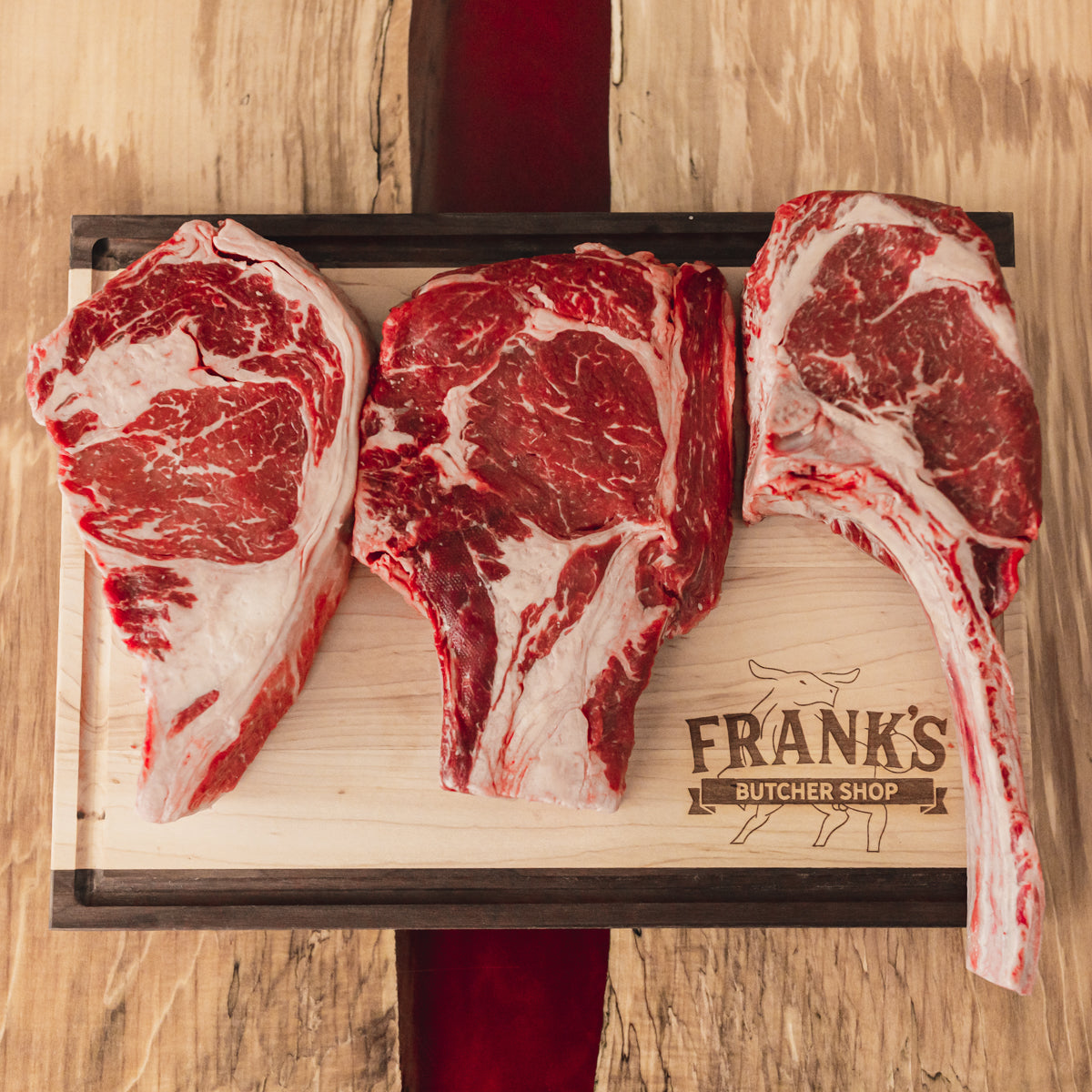


A good steak is satisfying. A great steak is memorable. The difference usually comes down to one thing; how the fat, muscle, and aging come together in a single cut.
Among all steaks available, ribeye consistently stands out because it balances richness, tenderness, and reliability better than almost any other option.
Butchers don’t praise ribeye out of tradition. They do it because ribeye behaves predictably.
It sears well, stays juicy, and forgives small cooking mistakes. This guide explains, from a butcher’s perspective, why ribeye became the benchmark steak and why so many people return to it every time.
Where Ribeye Comes From?
Ribeye is a cut from the rib section of the animal, specifically ribs 6 through 12. This area does less physical work than muscles in the legs or shoulders. Because the muscle is not heavily exercised, the fibers stay soft and develop fine marbling.
That fine marbling is the real reason the beef rib eye steak consistently performs better than leaner steaks. When heat hits the pan, the fat melts slowly, lubricating the meat from the inside. Instead of drying, the steak bastes itself.
This is why a boneless ribeye often tastes richer than steaks that technically cost more.
Marbling: The True Definition of Steak Quality
Many people believe tenderness alone defines a premium steak. Butchers look at marbling first.
Marbling is intramuscular fat, tiny white streaks within the red meat. Unlike external fat, it melts during cooking and creates:
→ Juiciness
→ Deeper beef flavor
→ Better texture
→ Aroma during cooking
When customers compare ribeye to ny strip steak or boneless ny strip steak, they usually notice strip steak has structure but less richness. Strip steak is excellent, but ribeye delivers more sensory satisfaction because fat carries flavor.
Even delicate cuts like beef filet mignon, and beef tenderloin center cut cannot replicate the flavor depth ribeye creates naturally. They are softer, but milder.
Why Is Ribeye the Most Forgiving Steak?
Ribeye’s fat content protects it from mistakes. Overcook a lean steak for two minutes and it dries. Overcook ribeye slightly and it remains juicy.
This forgiving nature makes ribeye ideal for beginners learning to cook perfect steaks at home.
Quick answer:
Why do chefs recommend ribeye for home cooking?
Because marbling prevents dryness and improves flavor even if the timing isn’t perfect.
Bone-In vs Boneless Ribeye
Both versions work well, but they cook differently.
→ Bone in ribeye steak retains heat longer and develops deeper flavor near the bone
→ Boneless versions cook more evenly and faster.
Larger cuts like tomahawk ribeye steak are dramatic and excellent for sharing because the bone helps regulate cooking temperature.
Aging: The Hidden Advantage

Ribeye benefits greatly from dry aging. During aging:
• Enzymes break down muscle fibers
• Moisture evaporates
• Flavor concentrates
This is why properly aged Wyoming pure beef develops a richer aroma than freshly cut meat.
Cooking Ribeye Correctly
Ribeye needs simplicity more than complexity.
Preparation
1. Defrost for 40 minutes before cooking
2. Pat dry
3. Salt lightly
Cooking
• Use very high heat
• Sear 2–3 minutes per side
• Butter baste
Resting
Rest 7-10 minutes. This step is essential.
Building a Complete Steak Experience
Restaurants succeed because they create a full meal, not just a steak.
Good sides include:
• Potatoes
• Vegetables
• Fresh bread
Even simple items such as beef hot dogs can accompany outdoor steak dinners without sacrificing quality.
Ribeye vs Other Premium Steaks

|
Cut |
Tenderness |
Flavor |
Juiciness |
|
Ribeye |
High |
Very High |
Very High |
|
Strip |
Medium |
High |
Medium |
|
Tenderloin |
Very High |
Mild |
Medium |
A center cut beef tenderloin excels in softness, but flavor intensity still favors ribeye because fat equals taste.
Common Mistakes When Cooking Ribeye
1. Cooking straight from the refrigerator: Cold centers cause uneven doneness.
2. Not resting: Juices escape.
3. Over-seasoning: Ribeye needs minimal seasoning.
4. Too low heat: You want a crust that requires high heat.
FAQ
Q: Why is ribeye considered the best steak?
A: Its marbling creates superior flavor and juiciness.
Q: Is ribeye better than filet mignon?
A: Ribeye has more flavor; filet has more tenderness.
Q: What is the best doneness for ribeye?
A: Medium-rare (about 130°F internal temperature).
Q: Do I need a grill?
A: No. A heavy pan produces excellent results.
Q: Why must steak rest?
A: Resting redistributes juices inside the meat.
A Steak Defined by Taste
A steak earns its reputation at the table, not on a label. Ribeye stands out because it combines flavor, tenderness, and reliability in one cut.
When beef is handled carefully and cooked with patience, the experience feels effortless. At Frank’s Butcher Shop, we focus on offering high-quality products, and ribeye naturally reflects that attention to detail.
Take your time, slice slowly, and let the meal carry the conversation. That’s why ribeye continues to be known as the king of steaks.