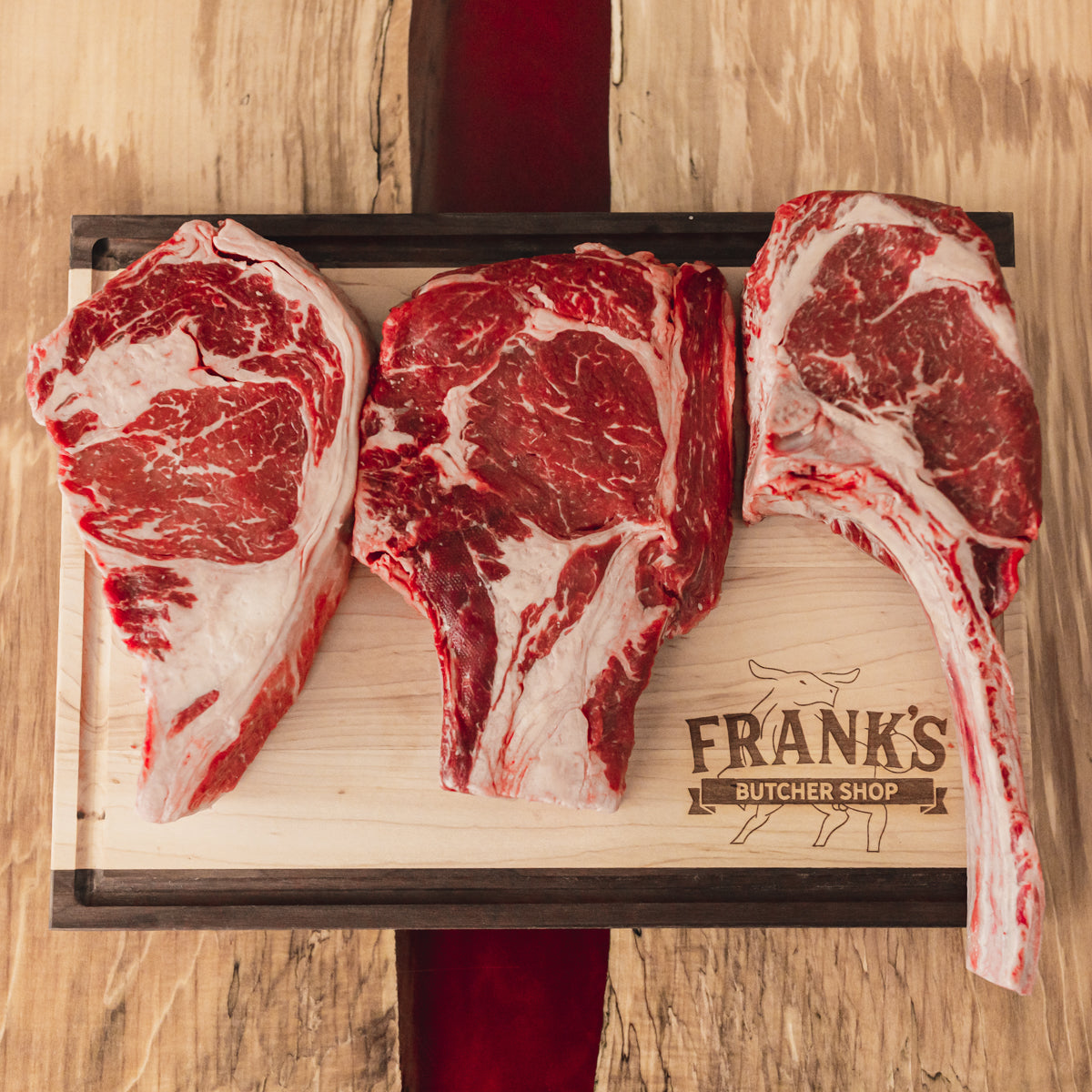


Brisket is known for its deep flavor, melt‑in‑your‑mouth texture, and comforting aroma. It’s the cut that can turn a simple weekend meal into a memorable feast.
Get the temperature or timing wrong, and even the finest brisket can end up dry or chewy instead of tender and juicy.
If your last attempt didn’t turn out as planned, don’t worry.
Here are seven common mistakes people make when cooking brisket flat and how to fix each one to ensure success next time.
Mistake 1: Choosing the Wrong Cut
The foundation of perfect brisket starts with the right meat. Many people pick thin, uneven cuts or brisket that lacks marbling, resulting in dry texture after long cooking hours.
The fix:
• Select brisket flats with medium thickness and visible marbling threads. This intramuscular fat melts during cooking, adding moisture and flavor.
• Look for ethically sourced, high‑quality beef cuts like those from wyoming pure beef, known for balanced fat‑to‑lean ratio.
• Alternatively, consider ordering curated beef bundle from butchers who know the difference between grade levels.
Mistake 2: Skipping the Trim and Prep
Oversized fat caps or silverskin layers can block smoke and seasoning from penetrating the brisket. Too much trimming, however, exposes the lean ends to heat, causing dry edges.
The fix:
• Trim excess fat down but not off. Remove only thick, dense bits while leaving enough for flavor protection.
• Make sure to score surface fat slightly so seasonings stick.
• If preparing other large cuts apply similar trimming principles, moderation ensures even cooking.
A good butcher often prepares this for you during purchase, and options like Frank’s pre‑trimmed brisket cuts save effort while preserving integrity.
Mistake 3: Not Allowing Enough Time
Rushing brisket cooking is the most frequent and costly error. Because brisket flat is a tough, dense muscle containing collagen, it needs time for slow, steady cooking that lets connective fibers break down gently.
The fix:
• Plan for about 1 to 1.25 hours per pound at 225–250°F. Use a smoker or slow oven setup with indirect heat for consistent results.
• Always go by texture, not just time. The internal temp should reach 195–205°F, but the key sign is the “probe‑test”—the thermometer slides in with little resistance, like softened butter.
To learn more about doneness properly, check cooking guides detailing temperature‑based cues for every popular cut.
Mistake 4: Using the Wrong Temperature Control

Too many cooks raise up the heat thinking it will finish faster, but that’s a recipe for disaster. High heat dries out protein before collagen can dissolve, leading to chewy slices that require a knife, not a fork.
The fix:
• Maintain consistent low heat, ideally 225°F, and monitor regularly. Temperature fluctuations cause uneven cooking.
• Use a two‑zone fire setup if grilling, keep one side hotter for searing initially, then slow‑cook on the cooler zone.
This approach mirrors the slow searing methods used for beef tomahawk steak or bone in ribeye steak, where temperature consistency defines quality.
Mistake 5: Under‑Seasoning or Over‑Seasoning
Brisket tastes incredible when sliced. That only happens when seasoning penetrates deeply. Rubbing too little leaves the surface bland; too much, and you risk masking the natural beef flavor.
The fix:
• Use coarse kosher salt and black pepper as your base.
• Then, add spices like smoked paprika or garlic powder sparingly.
• Apply evenly at least 8–12 hours before cooking, allowing time for a dry brine effect.
A light coating of hickory smoked bacon on top during slow roast adds savory aroma without overpowering the beef.
Mistake 6: Neglecting the Rest Period
Even if your brisket looks mouth‑watering when pulled from the smoker, cutting it too soon sends all that moisture spilling onto the board instead of staying inside.
The fix:
• Wrap the cooked brisket in butcher paper or foil, then let it rest for at least 45 minutes to 1 hour in a cooler or warm oven.
• This allows juices to redistribute evenly for tender, balanced slices.
Mistake 7: Slicing Incorrectly
Brisket tends to lose its soft texture when cut with the grain instead of against it. Even perfectly cooked meat feels tough if sliced incorrectly.
The fix:
• Identify the grain direction before slicing. Always cut perpendicular to it for shorter muscle fibers and a tender chew.
This simple but essential technique is covered thoroughly in our guide that explains how to cut different beef cuts or roasts consistently.
Storing and Reheating Brisket the Right Way

Leftovers shouldn’t go to waste. Handle them right to keep the texture freshly cooked.
• Let the brisket fully cool before slicing for storage.
• Wrap tightly in foil and refrigerate up to three days.
• For reheating, add two tablespoons of broth, wrap in foil, and warm at 275°F.
Pro Tips for Restaurant‑Quality Results
1. Try dual rubs: Start with savory base rub, then finish with sugar‑spice blend halfway through cooking.
2. Maintain clean smoke: Use dry wood chunks; white billowing smoke means too much moisture.
3. Use a water pan: Keep humidity balanced inside the smoker.
4. Finish strong: When serving, drizzle each slice with warm cooking jus.
5. Slice correctly: Refer to in‑depth slicing resources that explain grain direction across other cuts like flank or sirloin for perfect consistency.
Wrapping Up
A properly cooked brisket flat tells its own story: the smoky crust, juicy layers, and rich, comforting aroma.
If you’re ready to master brisket perfection, Browse premium selections from Frank’s Butcher Shop.
Each brisket flat is carefully sourced and trimmed for optimal cooking performance, allowing you to focus on flavor, not guesswork.
Discover what patience, quality, and expertise taste like with every slice.