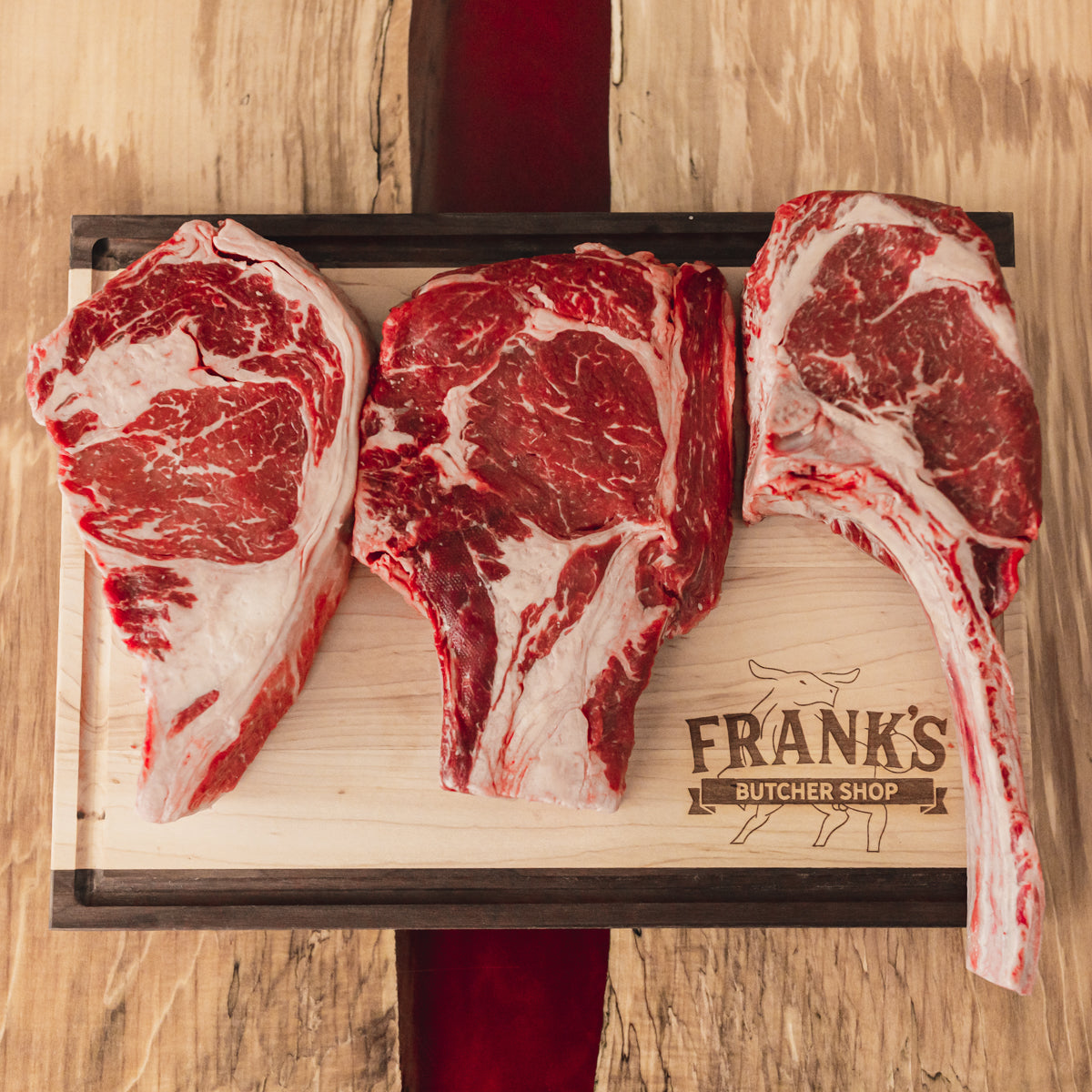


Florentine steak is bold, deeply flavorful, and rooted in a cooking style that has stayed true for centuries.
If you ever wondered why this cut is celebrated far beyond Tuscany, the answer lies in how it is sourced, prepared, and cooked.
This guide breaks down every detail so you understand the tradition behind it, and what makes it so extraordinary compared to other popular beef cuts.
What Exactly Is Florentine Steak?
At its core, Florentine Steak is a thick, oversized T-bone or porterhouse cut taken from the loin of the animal. In Italy, it’s known as Bistecca alla Fiorentina, a cut traditionally sliced large enough to share, weighing around 2-3 pounds on average.
The heart of its flavor comes from three things:
1. The florentine steak cut, taken from the short loin
2. The presence of both strip and tenderloin meat
3. Its thickness, usually 2 to 3 inches
When you hear people compare it to a beef t bone steak or porterhouse, they’re technically right. But the Tuscan version carries a very specific identity shaped by tradition, technique, and regional sourcing.
Why Does Florentine Steak Stands Apart from Other Cuts?
Many beef cuts are beloved like NY strip steak, ribeye, sirloin, and many others. Yet Florentine steak remains in a league of its own because of what it represents.
It’s not just about tenderness or marbling; it’s about honoring a style of cooking that demands patience, heat management, and an understanding of how beef behaves over fire.
Here’s what gives it its reputation:
1. A True Tuscan Tradition
Florentine steak has been cooked the same way for hundreds of years. Using traditional Italian cooking methods, Tuscan cooks rely on nothing but salt, fire, and time. No marinades. No fancy seasonings. Only flame based simplicity.
2. A Rare Combination of Two Prized Muscles
The steak includes both the tenderloin and strip loin, making it a dual-experience cut. Few steaks offer this contrast at once.
3. Its Thickness
Cutting thick isn’t optional, it’s essential. This thickness helps the steak cook slowly and evenly. Many grilling mistakes happen because people don’t understand how to cook steak evenly, and Florentine steak’s thickness actually solves part of that challenge by allowing a gentler internal cook.
4. A Showpiece at Any Table
It isn’t just food, it's an event. If you’ve ever grilled a large steak outdoors, you know how impressive it looks when the crust forms and the bone caramelizes over the flame. It’s the embodiment of authentic Tuscan flavors.
Where Does Florentine Steak Come From on the Animal?

Florentine steak originates from the short loin section, producing some of the most desirable Beef Steak Cuts. This primal area includes strip steaks, tenderloin, porterhouse, and T-bones.
While each has its own loyal fan base, the Florentine steak brings the best of both worlds together.
Here’s how it compares:
|
Cut |
Location |
Flavor |
Texture |
|
Strip Loin |
Short loin |
Bold, beefy |
Firm but juicy |
|
Tenderloin |
Loin |
Mild, buttery |
Extremely tender |
|
Ribeye |
Rib primal |
Rich, fatty |
Tender with marbling |
|
T-Bone |
Short loin |
Mixed |
Balanced contrast |
This mix is also why chefs take extra care when cooking it. With two different muscle types, managing heat is essential to prevent one part from overcooking, something you can further understand from our doneness testing tips guide.
Understanding the Role of Bone in the Steak
While chefs debate boneless cuts daily, Florentine steak is traditionally bone-in. The bone adds structure, slows internal cooking, and enhances flavor over fire.
This gives it certain similarities to other larger cuts like a bone in ribeye steak, but the flavor profile remains uniquely Tuscan.
How Florentine Steak Aligns With Italian Food Culture?
Italy’s cuisine is built on respect for ingredients, heritage, and simplicity. Florentine steak is one of the purest examples of that philosophy.
• No complicated seasoning: Salt, heat, and fire are enough.
• No excessive sauces: The meat speaks for itself.
• No rushed cooking: Patience is part of the recipe.
It mirrors the same attitude found in other Tuscan dishes, celebrating natural flavors rather than masking them.
Just like those following the best Italian steak recipes, the Florentine approach invites you to keep things minimal so the steak can show its real character.
Learning to Cut and Serve It Properly
Once cooked, Florentine steak is traditionally sliced away from the bone, then cut into strips across the grain. Cutting correctly ensures tenderness, especially important for large cuts. You can learn more about grain direction on our helpful guide, which you can use when slicing any large steak after cooking.
Serve simply:
• Olive oil
• Lemon
• Rosemary (optional)
• A pinch more salt
That’s it.
Why Florence Protects This Tradition So Strongly?

Florentine steak is protected by regional pride. Many cities in Italy have signature dishes, but few guard them as fiercely as Florence guards its steak. The tradition has survived wars, shortages, and cultural shifts because it carries identity and memory.
Even today, it remains:
• A shared dish
• A celebration piece
• A mark of heritage
• A symbol of Tuscan hospitality
That’s what sets it apart from everyday cuts.
FAQs:
Q: What cut is used for Florentine steak?
A: A Florentine steak is taken from the short loin, similar to a T-bone or porterhouse, but traditionally sliced extra thick.
Q: How thick should a Florentine steak be?
A: At least 2 inches. Thicker cuts cook more evenly and develop a better crust.
Q: Is Florentine steak the same as a T-bone?
A: It’s similar but not identical. Thickness, sourcing, and cooking style define the Florentine version.
Q: Can you grill Florentine steak at home?
A: Yes, charcoal or wood gives the most authentic flavor.
Q: Should you marinate Florentine steak?
A: No. The Tuscan approach avoids marinades to protect natural beef flavor.
Q: Which sides pair well with Florentine steak?
A: Simple sides like roasted potatoes, grilled vegetables, or fresh salad complement the dish beautifully.
Bringing It All Together
Florentine steak is more than a cut, it’s a celebration of simplicity, fire, and craftsmanship. Its bold character, dual textures, and unmistakable Tuscan heritage make it one of the most memorable ways to enjoy beef.
Anyone who values true flavor and time-honored cooking will appreciate what this iconic steak brings to the table.
If you’re interested in trying an authentic Florentine steak crafted with expert butchery and premium sourcing, you can explore the carefully prepared options available at Frank’s Butcher Shop.
A great place to begin your journey into traditional Tuscan steak done right, at home.