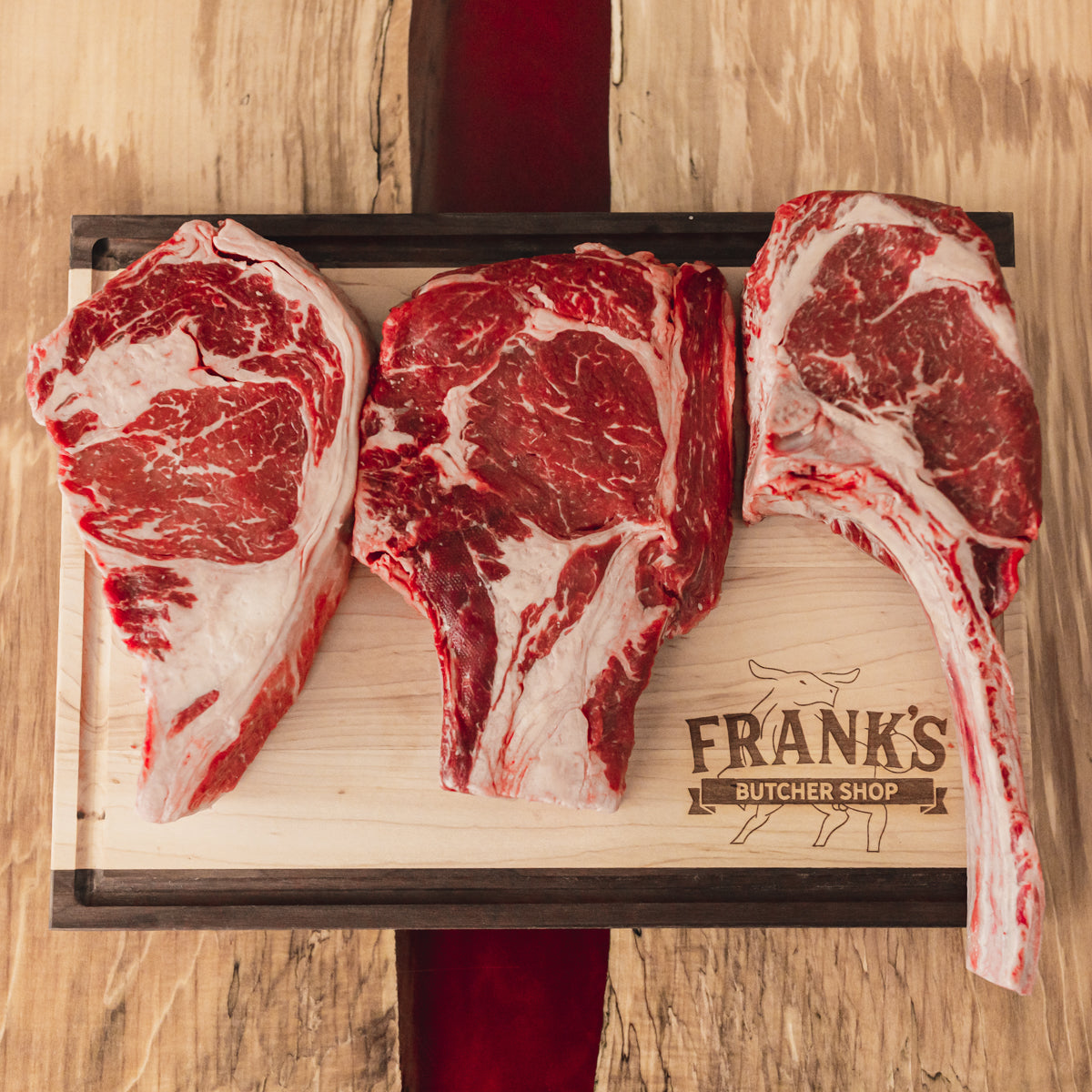


The Essence of Perfectly Seasoned Steak
Every steak deserves to shine, and seasoning can make a real difference in the final flavor.
With just the right mix of salt, pepper, and marinade, even a basic cut turns into a juicy, flavorful masterpiece.
Let’s break down the ultimate ratio that gets it right every single time.
Why Proper Seasoning Plays a Key Role for Every Cut?
Seasoning does more than add flavor. It transforms texture and enhances natural richness. Salt tenderizes meat fibers, pepper adds contrast, and marinades bring in moisture. When the proportions are right, seasoning becomes a tasteful technique, not guesswork.
• It enhances natural beef flavors.
• Builds crust and texture during grilling or searing
• Elevates lean cuts like center cut beef tenderloin and richer ones like boneless ribeye.
Every cut, from beef filet mignon to beef tomahawk steak, reacts differently to seasoning because of unique fat content and muscle structure.
The Ultimate Salt-to-Steak Ratio
The foundation of steak flavor starts with salt. You don’t want too much, but under-salting leaves meat flat and unfinished. The general rule:
• 1 Teaspoon of Salt per Pound of Steak
That measurement works for almost any steak cut, including new york strip steak and beef tenderloin center cut. Salt’s texture allows even distribution, while table salt is denser and risks over-salting. Always salt evenly from a height of 10-12 inches to coat both sides.
Pro Tip: Pre-salt steaks at least 40 minutes before cooking. This allows moisture to reabsorb, seasoning the meat from within for a juicy interior.
• Balancing Pepper Like a Professional
While salt seasons deeply, pepper defines character. Freshly cracked black pepper should form a light crust that supports, not overpowers, the salt’s work.
For most steaks:
• ¼ teaspoon ground black pepper per pound of meat.
This creates the ideal bite on cuts like boneless ribeye, bone in ny strip steak, or beef rib roast.
If you’re grilling, always apply pepper just before cooking to avoid burning. For pan-searing, a quick press after flipping keeps the flavor balanced and nutty, not bitter.
Marinade Ratios That Actually Work
Marinades are the bridge between seasoning and cooking. They tenderize and infuse flavor using a mix of acid, oil, and aromatics. The golden ratio most butchers use is:
• 3 parts oil : 1 part acid : balanced seasonings
Acids like lemon juice, vinegar, or wine break down tough fibers in cuts like beef sirloin roast or sirloin coulotte roast. Oils carry flavor and moisture. Herbs, garlic, onion, and spice elements define the marinade’s uniqueness.
Keep marinating time balanced: 1 hour for tender cuts, at least 4 hours for firmer ones, and never more than 24 hours to avoid mushy texture.
Recommended Seasoning Ratios By Steak Type
|
Steak Cut |
Salt Ratio |
Pepper Ratio |
Marinade Duration |
Flavor Style |
|
1 tsp/lb |
¼ tsp/lb |
N/A |
Classic burger-style |
|
|
1 tsp/lb |
¼ tsp/lb |
1–2 hrs |
Rich and buttery |
|
|
¾ tsp/lb |
⅛ tsp/lb |
30–60 min |
Delicate and mild |
|
|
1 tsp/lb |
¼ tsp/lb |
2–3 hrs |
Balanced full flavor |
|
|
1¼ tsp/lb |
¼ tsp/lb |
3–4 hrs |
Deeply flavorful |
|
|
1 tsp/lb |
⅓ tsp/lb |
4–6 hrs |
Bold and aromatic |
|
|
1½ tsp/lb |
½ tsp/lb |
Overnight |
Traditional Tuscan |
|
|
1 tsp/lb |
¼ tsp/lb |
3 hrs |
Robust & hearty |
Grill, Pan, or Oven: Does It Change Ratios?

Not much, but it affects timing and crust formation.
• Grill: Apply pepper right before searing to prevent bitterness.
• Pan-Sear: Salt 40 minutes prior and use clarified butter or oil for even browning.
• Oven Roast: Add a touch more pepper to counter slower caramelization.
Advanced Technique: Layered Seasoning
Chefs often use a two-phase seasoning.
• Pre-cook seasoning: The measured ratios that we’ve covered.
• Post-cook finishing: A light sprinkle of finishing salt or compound butter with herbs and citrus zest.
A tiny touch of hickory smoked bacon fat as a basting element brings restaurant-style richness at home.
Marinade Recipes That Always Work
1. Classic Garlic and Herb Marinade (For NY Strip or Ribeye):
• 3 tbsp olive oil
• 1 tbsp red wine vinegar
• 2 crushed garlic cloves
• 1 tsp rosemary
• Salt and pepper (as per ratio)
2. Asian-Inspired Marinade (For Flat Iron or Sirloin):
• 3 tbsp soy sauce
• 1 tbsp rice vinegar
• 1 tbsp sesame oil
• ½ tsp brown sugar
• Minced ginger and scallion
3. Peppercorn-Butter Finish (For Filet Mignon):
• Butter + cracked pepper + chopped thyme
• Add post-sear, melt over steak
How to Check Doneness Without Losing Juiciness?
Overcooking ruins the best seasoning. Use a meat thermometer and remember:
|
Doneness |
Internal Temperature |
Texture Description |
|
Rare |
120–125°F |
Cool red center |
|
Medium Rare |
130–135°F |
Warm red-pink center |
|
Medium |
140–145°F |
Pink center |
|
Medium Well |
150–155°F |
Slightly pink |
|
Well Done |
160°F+ |
Uniform brown |
Rest all steaks for 5 minutes. For larger roasts, rest for 15-20 minutes under loose foil to retain juices.
Tips for Ground or Prepared Beef

When shaping ground beef patties, mix seasoning into the meat rather than only coating the surface. That ensures flavor in every bite.
If you prefer convenience, go for beef bundles, which provide ready-to-season, butcher-selected cuts ideal for home cooking. Pair them with a beef jerky for snack prep both share the same foundational salt-pepper balance for flavor consistency.
Quick Reference: Seasoning Summary
|
Step |
Ratio |
Tip |
|
Salt |
1 tsp per pound |
Apply 40 mins before cooking |
|
Pepper |
¼ tsp per pound |
Use freshly cracked |
|
Marinade |
3:1 (oil:acid [lemon juice, vinegar or wine]) |
Don’t exceed 24 hours |
|
Rest Time |
5–10 mins |
Retains juiciness |
|
Finishing Salt |
Small pinch |
After cooking |
FAQ: Answering Common Steak Seasoning Questions
Q: How long should I season steak before grilling?
A: Season at least 40 minutes or up to 24 hours ahead. This allows salt to penetrate while preventing dryness.
Q: Should I use coarse or fine salt?
A: Use coarse kosher salt for even coverage and better control. Fine salt risks over-salting.
Q: Do marinades replace salt and pepper?
A: No. Marinades add moisture and flavor layers but salt and pepper remain the foundation.
Q: Can seasoning ratios differ for grass-fed beef?
A: Yes. Grass-fed cuts like grass-fed ny strip steak are leaner, so use slightly less acid and add light oil brushing before cooking to avoid drying.
Q: What’s the best steak for beginners?
A: Start with forgiving cuts like bone in prime rib roast or boneless ribeye, which have enough marbling to handle small seasoning variations.
Bringing It All Together
Adjusting salt, pepper, and marinade ratios builds consistency meal after meal.
Once you master the balance, even a simple dinner transforms into a gourmet experience rich, tender, aromatic, and deeply satisfying.
For those who want the same butcher-level quality at home, check out the curated collection of premium cuts at Frank’s Butcher Shop.
Each cut is ethically sourced, expertly trimmed, and made ready for your next steak masterpiece.